
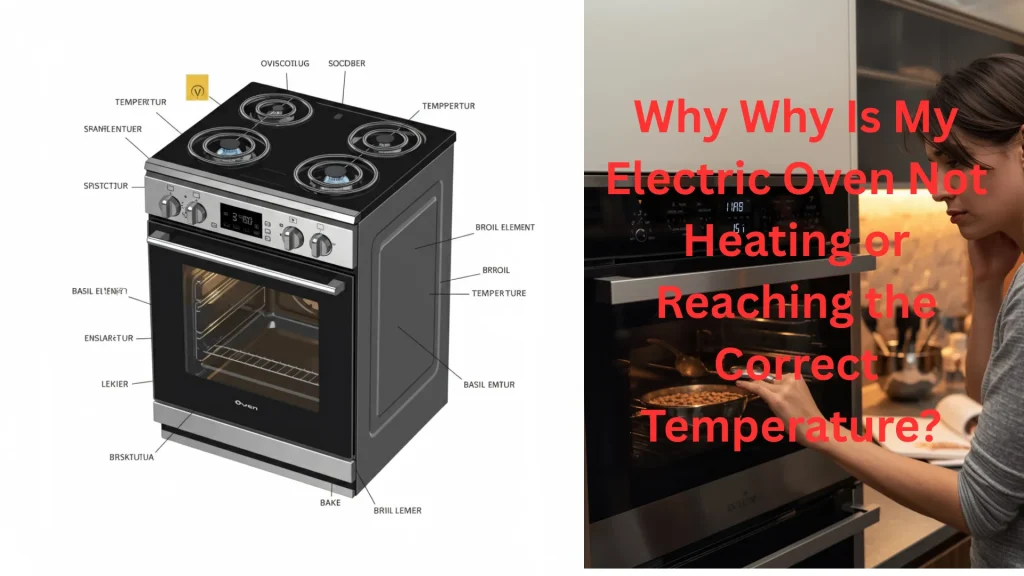
Quick Answer:
An electric oven may not reach the correct temperature due to a faulty temperature sensor, broken heating elements, calibration issues with the thermostat, a malfunctioning control board, or power supply problems. Checking and replacing faulty parts, recalibrating the thermostat, or seeking professional repair can usually resolve the issue.
An electric oven that doesn’t heat up properly can ruin a meal and disrupt your kitchen routine. You might notice your bake times are off or that your food is cooking unevenly. When an electric oven is not reaching the correct temperature, it’s a sign that something is wrong. Understanding the potential causes can help you decide whether it’s a simple fix or if you need professional repair.
This guide will walk you through common reasons your electric oven won’t heat up to the right temperature and provide troubleshooting steps. We’ll cover everything from the temperature sensor to the heating elements, helping you diagnose the problem.
Common Reasons Your Electric Oven Isn’t Getting Hot Enough
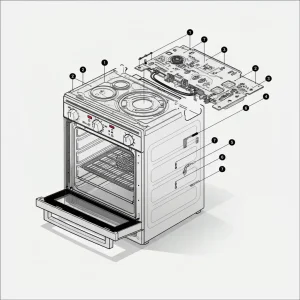
Several components work together to regulate your oven’s internal temperature. A problem with any one of them can lead to heating issues. Let’s explore the most frequent culprits.
Faulty Temperature Sensor
The oven sensor is a small probe, usually located at the back of the oven cavity. Its job is to measure the internal temperature and send that information to the control board. If the temperature sensor is faulty, it can send incorrect readings, causing the oven to stop heating prematurely or not heat enough.
A quick way to check this is to see if the sensor is touching the oven wall. If it is, it can’t get an accurate reading of the air temperature. Gently reposition it so it’s not in contact with the metal. If that doesn’t solve the issue, the sensor itself might need to be tested with a multimeter or replaced by a technician. An electric oven temp sensor not working is a common reason for a repair service call.
Broken Heating Elements
Your electric oven has two main heating elements: the bake element at the bottom and the broil element at the top. If your electric oven is not preheating to the correct temperature, one of these might be the problem.
- Bake Element: This is the primary element used for most baking and roasting. If it’s not working, the oven will take a very long time to heat up and may never reach the set temperature.
- Broil Element: This element provides intense, direct heat from the top. While not used for standard baking, a faulty broil element can still affect overall performance in some oven models.
Visually inspect both the bake element and broil element when the oven is cool. Look for blisters, cracks, or any visible breaks. If you turn on the oven and one of the elements doesn’t glow red, it’s a clear sign you need a replacement part. Sometimes, you’ll find the bake element working but not reaching temp, which could point to a power supply issue to the element itself.
Oven Thermostat and Calibration Issues
The oven thermostat is another critical component for temperature regulation. It could be an electric oven thermostat or a bimetallic thermostat in older models. If the thermostat is not calibrated correctly, the temperature you set on the dial won’t match the actual internal temperature. An oven thermometer can help you check for an electric oven temperature calibration problem.
To test this, place an oven thermometer on the center rack and preheat your oven to 350°F. After about 20 minutes, check the reading on the thermometer. If it’s more than 15-20 degrees off from the set temperature, you might need thermostat recalibration. Some ovens allow you to adjust the calibration dial yourself, but others require a technician for this service.
Malfunctioning Control Board or Control Panel
The control board is the brain of your electric oven. It receives signals from the temperature sensor and sends power to the heating elements. If the control board has a faulty relay or other electrical contacts fail, it can prevent the oven from heating correctly. A malfunctioning control panel can also display an error code, which can help diagnose the issue. Performance issues originating from the control board often require an electric oven temperature not accurate technician for a professional repair.
Troubleshooting Your Electric Oven at Home
Before calling for service, there are a few things you can check yourself. These simple steps can sometimes resolve the problem or at least help you identify the cause.
- Check the Power Supply: Make sure the oven is properly plugged into the power outlet. Electric ovens require a 240-volt outlet, so ensure the circuit breaker hasn’t tripped. If it has, reset it and try the oven again. If it trips repeatedly, there may be an electrical issue that needs professional attention.
- Verify Oven Settings: Sometimes the solution is simpler than you think. Double-check that you haven’t accidentally set the oven to a “Sabbath” mode, “Delay Start,” or “Auto Conversion” feature, which can affect heating. Review your oven manufacturer’s manual for specific settings.
- Inspect the Door Gasket: The rubber or woven seal around the oven door is the door gasket. Its purpose is to keep the hot air inside. If it’s torn, cracked, or loose, heat will escape, and your electric oven will struggle to maintain temperature. This can also cause temperature fluctuations during baking. A new door gasket is an inexpensive and easy replacement part to install.
- Consider Rack Position: For accurate cooking, the rack position matters. If your food is consistently undercooked, ensure the rack is placed in the center of the oven unless a recipe specifies otherwise. This allows for the best air circulation and even heating.
When to Call a Professional Repair Service
While some issues can be handled at home, many oven problems require an expert. If you’ve tried basic troubleshooting and your electric oven is still not reaching the set temperature, it’s time to find an “electric oven not heating to set temperature repair near me.”
You should call a technician if:
- You suspect a faulty heating element, temperature sensor, or control board.
- The oven needs thermostat recalibration and you’re not comfortable doing it yourself.
- You see an error code on the control panel that you can’t clear.
- You are not comfortable working with electrical components.
A factory certified service technician has the tools and expertise to safely diagnose the problem, whether it’s with a Samsung oven, KitchenAid oven, or LG range oven. They can handle an electric oven thermostat not reaching set point repair and ensure your appliance is fixed correctly.
Need Help with Your Electric Oven?
Is your electric oven stuck below the set temperature? Dealing with an oven that takes too long to reach temperature can be frustrating. Don’t let a faulty appliance disrupt your life.
For reliable and professional appliance repair in the GTA, contact Appliance Repair in GTA. Our experienced technicians specialize in fixing all major brands and models. We proudly serve Toronto and surrounding communities, including Richmond Hill, Vaughan, Brampton, Mississauga, North York and other surrounding areas in Toronto GTA. We can quickly diagnose why your electric oven is not getting hot enough and provide a lasting solution. Schedule your service today!
Frequently Asked Questions (FAQs)
- Why is my electric oven taking so long to preheat?
An oven that takes too long to preheat often points to a faulty bake element or a weak power supply. The bake element provides the majority of the heat for preheating, and if it’s failing, the oven will struggle to reach the desired temperature in a timely manner. - How do I know if my oven temperature sensor is bad?
You can test the temperature sensor with a multimeter to check its resistance. At room temperature, it should have a specific resistance level (usually around 1100 ohms, but check your model’s specifications). If the reading is significantly off or there’s no continuity, the sensor is likely bad and needs to be replaced. - Can I calibrate my own oven?
Some ovens have a user-accessible calibration feature, often adjusted via the control panel or a small screw on the thermostat knob. Refer to your oven’s manual to see if this is an option for your model. If not, you’ll need a professional technician for thermostat recalibration. - Why does my oven temperature fluctuate so much?
Temperature fluctuations can be caused by a faulty door gasket letting heat escape, a failing thermostat that can’t regulate the oven cycle correctly, or a problem with the control board. Consistent fluctuations often require a professional diagnosis. - Is it worth repairing an old electric oven?
It often is. Repairs like replacing a heating element or a temperature sensor are much cheaper than buying a new oven. If the oven is otherwise in good condition, a repair can extend its life for several more years. A technician can give you an honest assessment of whether a repair is cost-effective.