
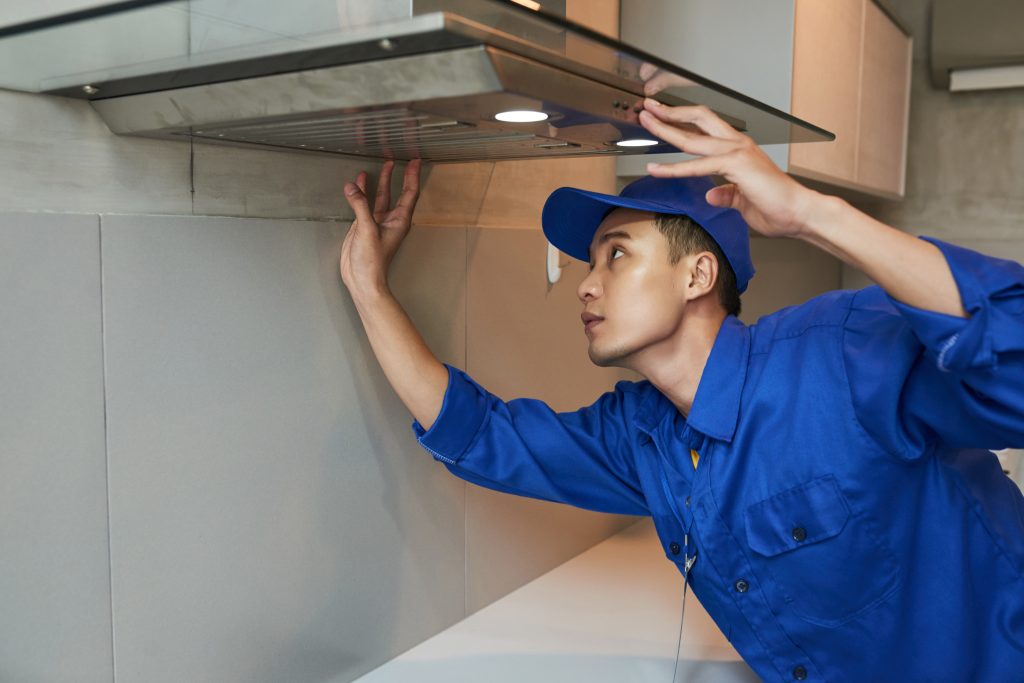
A microwave oven that turns on but does not heat food is a common household problem. The lights may come on, the turntable may spin, and the timer may work perfectly, yet the food stays cold. This issue can be frustrating, especially when you rely on your microwave for daily cooking.
In this guide, we will explain how to repair a microwave oven not heating, the common causes behind it, and when it is safe to fix the problem yourself or call a professional technician.
Common Reasons Why a Microwave Oven Is Not Heating
Before attempting any repair, it is important to understand what usually causes heating problems in a microwave oven.
Faulty Magnetron
The magnetron is the main component responsible for generating heat. If it fails, the microwave will run but produce no heat. This is one of the most common reasons a microwave oven stops heating.
Defective High Voltage Diode
The high voltage diode works with the capacitor to power the magnetron. If this diode burns out, the microwave will not heat food properly.
Damaged Door Switch
Microwaves have safety door switches that stop heating if the door is not fully closed. A faulty switch can prevent heating even when the door appears shut.
Blown Thermal Fuse
A thermal fuse cuts power to the heating circuit if the microwave overheats. Once blown, the microwave may still run but not heat.
Faulty Capacitor
The high voltage capacitor stores electricity needed for heating. If it fails, the microwave will stop producing heat.
Safety Warning Before Repairing a Microwave
Microwave ovens store high voltage electricity, even when unplugged. This can be extremely dangerous.
⚠️ Always unplug the microwave before inspection
⚠️ Do not touch internal components unless you are trained
If you are unsure, it is safer to contact a qualified appliance repair technician.
Step-by-Step Guide: How to Repair Microwave Oven Not Heating
Step 1: Check the Power Supply
Ensure the microwave is plugged in properly and the socket is working. Try another appliance in the same outlet to confirm.
Step 2: Inspect the Door Switch
-
Open the microwave casing carefully
-
Locate the door switches near the latch
-
Use a multimeter to check continuity
If the switch is faulty, replace it with a compatible part.
Step 3: Test the High Voltage Diode
-
Disconnect the diode
-
Use a multimeter to check resistance
If there is no continuity, the diode needs replacement.
Step 4: Examine the Thermal Fuse
-
Locate the thermal fuse near the magnetron
-
Test it using a multimeter
A blown fuse must be replaced; it cannot be repaired.
Step 5: Check the Magnetron
If all other components are working, the magnetron is likely the issue. Replacing a magnetron is complex and often costly, so professional repair is recommended.
When to Call a Professional Microwave Repair Technician
You should seek professional help if:
-
The magnetron needs replacement
-
There is a burning smell
-
The microwave trips the circuit breaker
-
You lack experience with electrical repairs
In many UK households, replacing the magnetron may cost nearly as much as a new microwave, so consider repair versus replacement carefully.
Cost of Repairing a Microwave Oven in the UK
| Fault Type | Estimated Repair Cost (UK) |
|---|---|
| Door switch replacement | £30 – £60 |
| Diode or fuse replacement | £40 – £80 |
| Magnetron replacement | £120 – £200 |
Prices vary depending on brand and labour charges.
How to Prevent Microwave Heating Problems
-
Do not run the microwave empty
-
Keep the door seals clean
-
Avoid slamming the door
-
Ensure proper ventilation
-
Use microwave-safe containers only
Proper care can extend the life of your appliance.
FAQs – Microwave Oven Not Heating
Why is my microwave running but not heating food?
This usually happens due to a faulty magnetron, diode, or door switch.
Is it safe to repair a microwave at home?
Minor parts like door switches can be replaced safely, but high voltage components should only be handled by professionals.
How long does a microwave magnetron last?
On average, a magnetron lasts 7–10 years with normal use.
Should I repair or replace my microwave?
If the repair cost exceeds 50% of the price of a new microwave, replacement is often the better option.
Can a blown fuse cause heating issues?
Yes, a blown thermal fuse can stop the heating function while other features still work.
Final Thoughts
Understanding how to repair a microwave oven not heating can save time and money. While some minor issues are easy to fix, major faults require expert attention. Always prioritise safety and consider professional repair when dealing with high voltage components.